
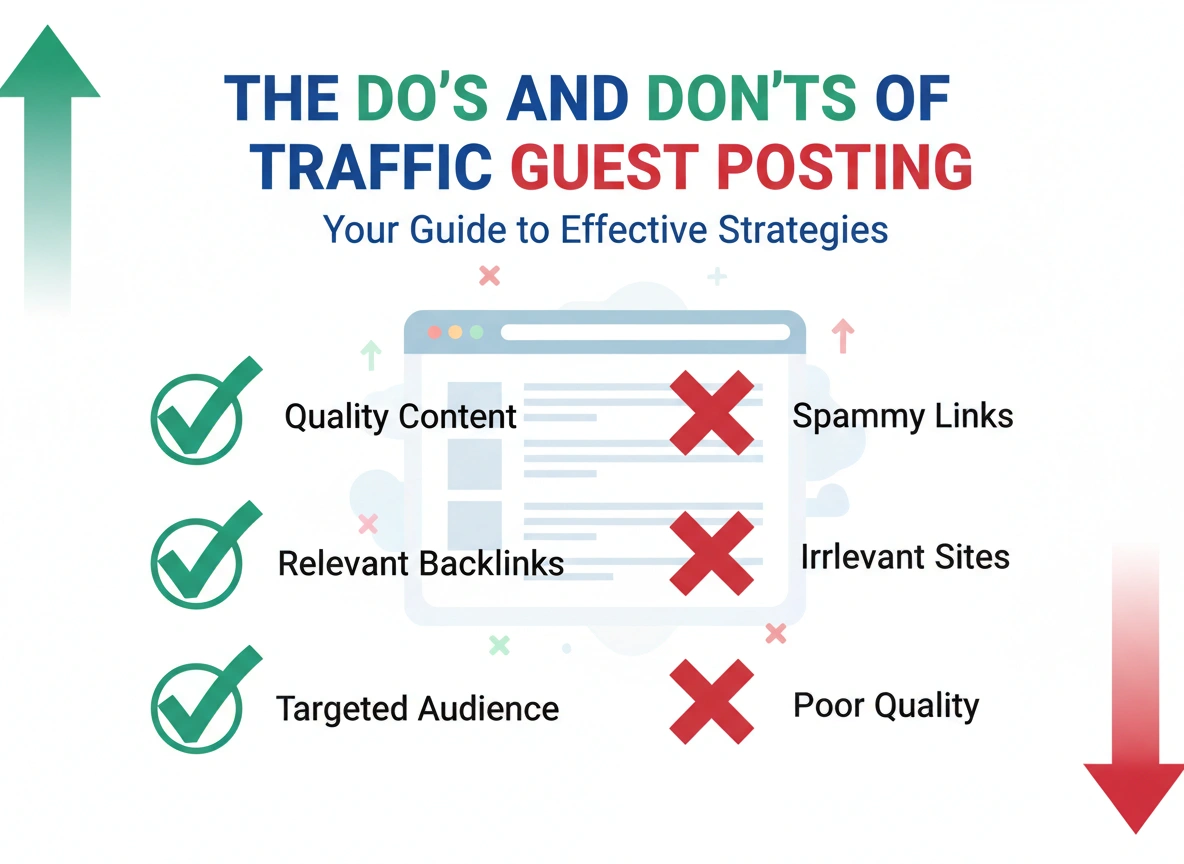
Guest posting remains one of the most effective strategies for growing your online presence. When executed correctly, it helps you build authority, secure valuable backlinks, and funnel highly targeted visitors directly to your website. However, a poorly planned outreach campaign can damage your reputation and waste valuable time.
If you want to maximize your return on investment, you need a clear understanding of the rules of engagement. This guide explores the core benefits of guest blogging, the best practices you should adopt, and the common pitfalls you must avoid to ensure your campaigns deliver measurable results.
The Core Benefits of Guest Posting
Before diving into the specific tactics, you must understand why you are dedicating time and resources to this strategy. Guest posting offers three primary advantages for your brand.
Building High-Quality Backlinks
Search engines view backlinks as votes of confidence. When a reputable site links back to your domain, it signals to algorithms that your content holds value. Securing placements on high-authority domains improves your own domain rating. This, in turn, boosts your organic search rankings, making it easier for potential customers to find your business through standard search queries.
Establishing Industry Authority
Publishing well-researched, insightful articles on respected platforms positions you as an expert in your field. Readers trust the publications they follow. When those publications feature your work, that trust transfers to you. Over time, consistent contributions across various platforms will elevate your personal or brand reputation, turning you into a recognized thought leader.
Driving Targeted Referral Traffic
While SEO benefits are crucial, direct referral traffic holds immense value. When you write about topics closely related to your products or services, you attract readers who already possess an interest in your niche. By strategically placing links within your content or author bio, you guide these engaged readers directly to your landing pages, increasing your chances of conversion.
Best Practices: The Do’s of Guest Posting
To reap the benefits mentioned above, you must approach your campaigns with professionalism and care. Follow these best practices to secure better placements and drive more traffic.
Research Your Target Publications
Never pitch a website without understanding its audience, tone, and content style. Read several recent posts to gauge the required reading level and preferred formatting. Check their “Write for Us” guidelines carefully. Editors appreciate contributors who take the time to tailor their submissions to the publication’s specific needs. Build a targeted list of sites that share a similar target audience to your own.
Pitch Original and Valuable Ideas
Editors constantly receive pitches for topics they have already covered. To stand out, offer fresh perspectives or original data. Identify content gaps on their site and propose articles that fill those voids. When crafting your pitch, highlight exactly why their audience will care about your proposed topic. Focus on delivering actionable advice that helps readers solve specific problems.
Focus on Content Quality Above All
Once an editor accepts your pitch, your real work begins. Your draft must reflect your best writing. Support your claims with credible statistics and case studies. Use active voice to keep the narrative engaging. Break up large blocks of text with descriptive headings, bulleted lists, and short paragraphs. Ensure the final piece requires minimal editing before publication.
Optimize Your Author Bio
Your author bio is often your primary conversion tool. Craft a compelling summary of who you are and what you do. Instead of simply linking to your homepage, point readers to a dedicated landing page designed specifically for that publication’s audience. Offer a relevant lead magnet, such as a free template or an in-depth ebook, to capture email addresses and turn casual readers into subscribers.
Common Mistakes to Avoid: The Don’ts
Even experienced marketers make errors that hinder their outreach efforts. Avoid these critical mistakes to protect your brand and improve your acceptance rates.
Ignoring the Site’s Audience and Tone
Sending a highly technical, academic article to a blog that prefers casual, conversational content guarantees a rejection. You must adapt your voice to match the host site. If you fail to align with their established tone, the editor will assume you did not read their content and will likely discard your submission.
Over-Optimizing Anchor Text
Search engines heavily penalize unnatural link-building practices. Avoid using exact-match commercial keywords for every link pointing back to your site. Instead, use natural, descriptive language that flows seamlessly within the sentence. Prioritize providing a good user experience over manipulating search rankings. A natural link profile protects your site from algorithmic penalties.
Sending Generic, Mass Pitches
Mass-emailing the same generic pitch to hundreds of editors yields terrible results. Personalization is non-negotiable. Address the editor by name. Reference a recent article they published and explain why you enjoyed it. Tailor your pitch to show that you understand their specific content needs. A thoughtful, personalized approach drastically increases your chances of getting a positive response.
Neglecting Content Promotion
Your responsibility does not end when the article goes live. Editors expect you to help drive traffic to the piece. Share the published article across your social media channels. Send it to your email newsletter subscribers. Tag the publication and the editor when you promote the post. By actively driving traffic to your guest posts, you build strong relationships with editors, making them more likely to accept your future pitches.
How to Scale Your Outreach Efforts
Managing a successful outreach campaign requires organization and persistence. You must track your pitches, follow up with editors, and monitor the performance of your published pieces. Creating a detailed spreadsheet helps you manage contacts, deadlines, and live URLs.
If you struggle to find the time or resources to manage this process internally, consider partnering with experts. Utilizing professional services for traffic guest posting can streamline your efforts. These services already possess established relationships with high-quality publishers, ensuring your content reaches the right audience without the endless cycle of cold pitching and follow-ups.
Conclusion
Guest blogging remains a powerful tool for building authority, improving SEO, and driving qualified leads to your business. By focusing on high-quality content, respecting the host publication’s guidelines, and prioritizing value over blatant self-promotion, you can build a sustainable traffic engine.
Review your current outreach strategy. Are you guilty of sending generic pitches? Are you neglecting your author bio? Adjust your approach using these do’s and don’ts. Start small, focus on building genuine relationships with editors in your niche, and watch as your referral traffic and industry authority grow.
