
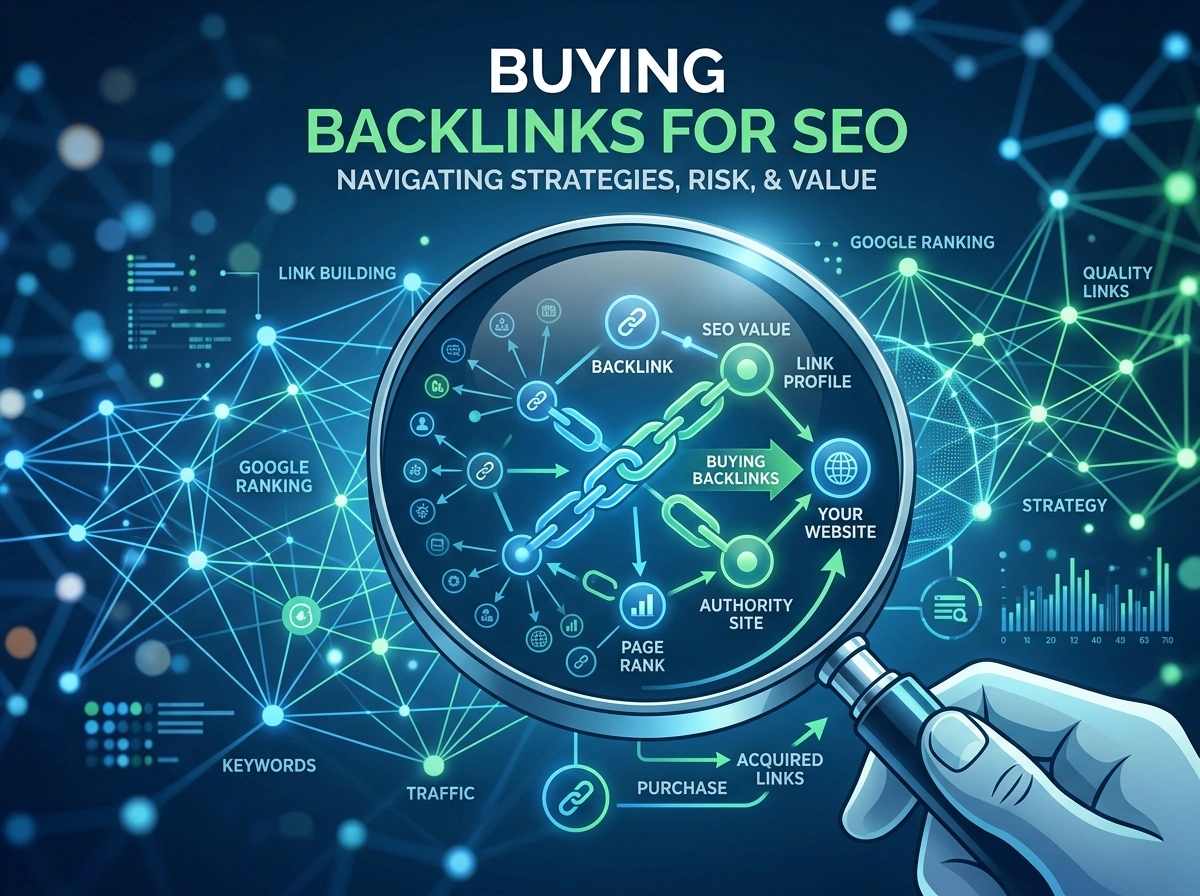
Search engine optimization is an ongoing challenge for modern businesses. You publish high-quality content, optimize your on-page elements, and ensure your site speed is lightning fast. Yet, climbing to the top of search engine results pages often requires something more elusive: domain authority.
Domain authority relies heavily on how other websites interact with yours. When reputable sites link to your content, search engines interpret this as a strong signal of trust and relevance. Acquiring these links organically takes significant time and resources, leading many marketers to look for shortcuts.
The idea of exchanging money for link placements is a hotly debated topic in the digital marketing space. Some professionals strictly avoid it, while others consider it a standard business expense. This post explores the realities of paid link building, how search engines view the practice, and what it means for your broader SEO strategy.
Understanding the Role of Backlinks in SEO
Backlinks function as digital votes of confidence. When a prominent website links to your domain, it passes along a portion of its authority. Search algorithms heavily weight these connections when determining which pages deserve the top spots for specific queries.
Not all votes are equal. A link from a major news outlet or a respected industry publication carries significantly more weight than a link from a newly created, low-traffic blog. High-quality backlinks signal to search algorithms that your content is valuable, accurate, and worth showing to users. Without a solid foundation of inbound links, even the most informative content can struggle to gain visibility.
The Controversy: Buying Backlinks vs. Organic Growth
The SEO community is often divided into two camps regarding link acquisition. The first advocates for strictly organic growth. This approach involves creating linkable assets—such as original research, comprehensive guides, or infographics—and conducting manual outreach to request links without financial compensation. Organic growth is generally considered the safest route, but it is notoriously slow and labor-intensive.
The second camp argues that paying for placements is simply a reality of modern marketing. Website owners know the value of a backlink and frequently demand compensation for their time and digital real estate. Those who support paid strategies argue that it accelerates results and levels the playing field against larger competitors with massive marketing budgets.
How Google Views Paid Links
Google’s Webmaster Guidelines explicitly outline the search engine’s stance on link schemes. Buying or selling links that pass PageRank is considered a violation of these guidelines. Search engines want to reward merit, not budget. If a search algorithm detects unnatural linking patterns, the offending site can face severe penalties, including a complete removal from search results.
However, Google does allow sponsored links if they are tagged correctly. Using the rel="sponsored" or rel="nofollow" attributes tells search algorithms that the link is the result of a financial transaction. While these tags prevent the link from passing traditional SEO authority, they can still drive valuable referral traffic and increase brand awareness.
Potential Benefits and Risks of Purchasing Backlinks
The primary benefit of a paid link strategy is speed. Instead of spending months waiting for organic traction, businesses can secure high-authority placements almost immediately. If you decide to buy backlinks, you gain more control over the anchor text and the specific pages that receive the link juice. This targeted approach can quickly boost rankings for competitive keywords.
The risks, however, are substantial. Low-quality link vendors often use private blog networks (PBNs) or link farms. These networks are easily identifiable by search algorithms. An unnatural spike in inbound links from irrelevant or spammy websites can trigger a manual action penalty. Recovering from such a penalty requires extensive auditing, link disavowals, and a lengthy reconsideration process.
Strategies for Identifying High-Quality Backlinks
If you choose to navigate the paid link ecosystem, quality control is paramount. Purchasing links blindly is a recipe for algorithmic disaster. You need a rigorous vetting process to evaluate potential link sources.
Analyze Domain Authority and Traffic
Look for websites with a strong Domain Rating (DR) or Domain Authority (DA). More importantly, verify that the site receives steady, organic traffic. A site with a high DR but zero actual visitors is likely part of a manipulated network.
Ensure Niche Relevance
Context matters. A backlink from a pet care blog to a financial software company looks unnatural and provides little value. Seek out publications and websites that align closely with your industry and target audience.
Review Editorial Standards
Examine the site’s existing content. Do they publish well-researched, professional articles, or is the site filled with thin, keyword-stuffed guest posts? A site with high editorial standards is much safer than one that clearly accepts any content for a fee.
The Importance of Link Diversity
A healthy backlink profile looks natural. If every link pointing to your site uses exact-match commercial anchor text and comes from a paid guest post, search engines will easily detect the manipulation.
Diversity is key to long-term SEO success. Your profile should include a mix of dofollow and nofollow links. Anchor text should vary, incorporating branded terms, naked URLs, and natural phrases. Furthermore, links should come from a variety of sources, including directories, forums, news sites, and industry blogs. This variety mimics organic growth and protects your site from algorithmic updates.
Future of Link Building in SEO
The landscape of search engine optimization shifts continuously. As artificial intelligence becomes more integrated into search algorithms, Google’s ability to identify and devalue unnatural links will only improve.
The focus is rapidly shifting toward E-E-A-T: Experience, Expertise, Authoritativeness, and Trustworthiness. Future link-building efforts will need to focus heavily on digital PR and authentic brand mentions. Search engines are getting better at understanding the context surrounding a link, meaning the relevance and authority of the linking page will become even more critical than raw domain metrics.
Navigating the Complex World of Link Acquisition
Building domain authority remains a fundamental pillar of search visibility. While the temptation to purchase backlinks is strong due to the promise of rapid results, the practice requires careful navigation. Poorly executed paid link campaigns can destroy your search presence, while a strategic, quality-focused approach can accelerate your growth.
To succeed in today’s search environment, focus on acquiring links that make sense for your brand. Prioritize contextual relevance, demand high editorial standards, and maintain a diverse link profile. By balancing strategic link acquisition with exceptional content creation, you can build a resilient SEO foundation that withstands algorithm changes and drives sustainable traffic.
