
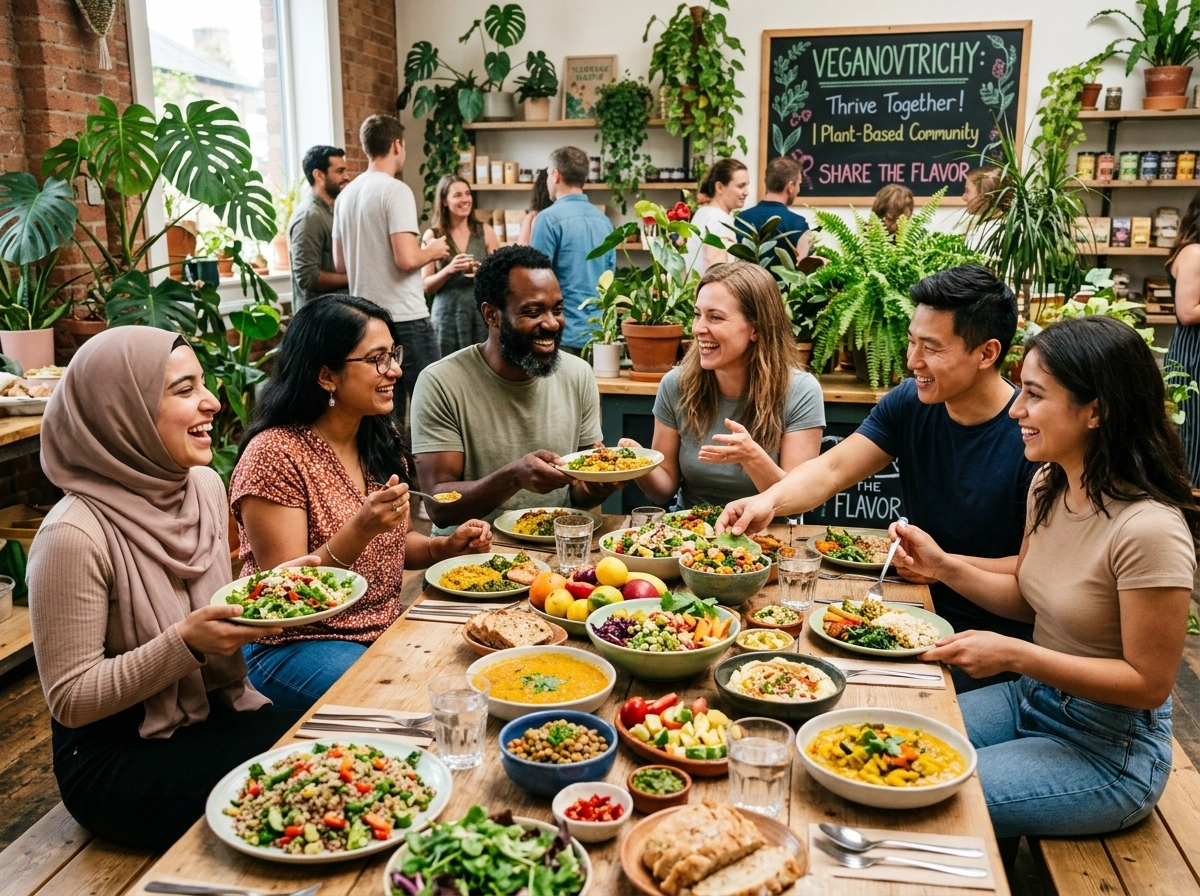
The shift toward plant-based living has moved well beyond a passing food trend. Across cities and small towns alike, people are rethinking what they eat, why they eat it, and who they share meals with. Yet making this lifestyle stick often comes down to one thing: connection. Finding others who share your values, knowing where to buy the right products, and discovering events that match your interests can mean the difference between a short experiment and a lasting change.
That is where digital platforms have stepped in. They turn isolated choices into shared experiences, helping individuals find local restaurants, vetted products, and like-minded people. In this article, you will learn how plant-based communities are expanding, why online platforms play such a central role, and how localized hubs help members discover resources, events, and support that make sustainable living far easier.
Why Plant-Based Living Is Growing So Quickly
The reasons behind this movement are practical, not just philosophical. People are paying closer attention to their health, the environment, and the ethics behind their food choices. Each of these motivations reaches a different audience, which helps explain why plant-based eating now appeals to such a wide range of people.
Several factors are driving this growth:
- Health awareness: More people connect diet with energy, digestion, and long-term wellness.
- Environmental concern: Plant-based diets are often linked to lower carbon and water footprints.
- Ethical values: Animal welfare remains a strong motivator for many adopters.
- Greater availability: Plant-based products now fill grocery shelves and restaurant menus.
The result is a movement that no longer belongs to a niche group. It spans students, families, athletes, and retirees who each find their own reason to join. Takeaway: plant-based living grows because it answers personal, planetary, and ethical questions at the same time.
The Challenge of Going Plant-Based Alone
Adopting a new way of eating sounds simple until you face daily decisions without guidance. Where do you find a restaurant that takes dietary needs seriously? Which local stores stock the products you want? How do you cook satisfying meals that fit your routine?
These small barriers add up. Many people start with enthusiasm, then lose momentum when they cannot find reliable answers nearby. Social isolation makes it harder too. When friends and family do not share the same habits, motivation can fade.
Community solves much of this. Surrounding yourself with people who have already navigated the same hurdles gives you shortcuts, encouragement, and accountability. Takeaway: the biggest obstacle to plant-based living is rarely willpower; it is the lack of accessible support and local resources.
Why Digital Platforms Matter
Online platforms close the gap between intention and action. They gather scattered information into one place, so members no longer waste time guessing. Instead of searching across dozens of websites, you find restaurants, recipes, products, and events organized for your needs.
These platforms matter for three main reasons:
- They centralize trusted information. Curated listings save time and reduce uncertainty.
- They build belonging. Forums, groups, and comments help people feel part of something bigger.
- They drive local discovery. Many platforms highlight nearby options that newcomers might never find on their own.
This combination turns a solitary lifestyle change into a shared journey. When people feel supported, they stay committed longer and influence others to join. Takeaway: digital platforms convert good intentions into sustainable habits by making information and connection easy to reach.
How Localized Community Platforms Strengthen the Movement
Global resources are useful, but the strongest impact often comes from local focus. A recipe site can teach you to cook, yet it cannot tell you which café down the street offers a fully plant-based menu. Localized platforms fill that gap with detail that matters in daily life.
Consider a community hub built around a specific city. A platform such as veganovtrichy shows how local focus helps members discover restaurants, stores, events, and services tailored to their region. This kind of resource gives newcomers a clear starting point and gives long-time members a reliable place to stay informed.
Localized platforms typically support their communities in several ways:
Restaurant and Product Discovery
Members can find verified eateries, grocers, and brands that fit their lifestyle. Reviews and listings reduce the trial-and-error that often frustrates beginners.
Events and Meetups
From cooking workshops to food festivals, local events turn online connections into real friendships. These gatherings keep the community active and welcoming.
Education and Guidance
Articles, guides, and tips help members make informed choices about nutrition, cooking, and sustainable living. Education builds confidence, and confidence keeps people engaged.
Peer Support
Members share advice, recommend favorites, and answer questions. This peer network often feels more relatable than expert advice alone.
Takeaway: localized platforms succeed because they combine practical discovery with genuine human connection in a specific place.
The Ripple Effect on Local Businesses
Plant-based communities do more than serve their members. They also support local economies. When a platform highlights a small restaurant or a family-run store, it sends new customers their way. This visibility encourages businesses to expand their plant-based options, which in turn gives the community more choices.
This creates a positive cycle:
- Communities promote local businesses.
- Businesses respond with more plant-based offerings.
- Wider availability attracts more newcomers.
- A larger community generates even more demand.
Over time, this momentum reshapes a city’s food landscape. Restaurants that once offered a single token dish begin building full menus around plant-based ingredients. Takeaway: community platforms benefit both members and the businesses that serve them, strengthening the entire local ecosystem.
Common Mistakes When Building or Joining These Communities
Not every plant-based community thrives. Some struggle because they overlook the basics of engagement and trust. Knowing these pitfalls helps both organizers and members get more value from their participation.
Watch out for these common mistakes:
- Focusing only on content, not connection. Information matters, but people stay for relationships.
- Ignoring newcomers. Communities that feel exclusive lose potential members fast.
- Outdated listings. Inaccurate restaurant or product details erode trust quickly.
- Preaching instead of welcoming. A judgmental tone pushes people away rather than inviting them in.
Strong communities stay inclusive, current, and supportive. They meet people where they are, whether someone is fully committed or simply curious. Takeaway: the healthiest communities prioritize welcome and accuracy over pressure and perfection.
Best Practices for Getting the Most From a Plant-Based Platform
Whether you are joining a community or building one, a few habits make the experience far more rewarding. These practices help you turn a simple membership into a meaningful part of your routine.
Try these steps:
- Start with local listings. Explore nearby restaurants and stores to make daily choices easier.
- Attend at least one event. Real-world meetings deepen your sense of belonging.
- Ask questions openly. Most members enjoy helping newcomers find their footing.
- Share your own discoveries. Recommending a favorite dish or product strengthens the community.
- Stay consistent. Regular participation keeps you motivated and informed.
These small actions compound over time. The more you engage, the more value you receive and the more you give back. Takeaway: active participation, even in small doses, unlocks the full benefit of a community platform.
The Future of Plant-Based Communities
The next phase of growth will likely blend technology with stronger local roots. As more people seek practical, regional guidance, platforms that combine trusted listings with genuine connection will lead the way. Expect to see deeper integration with local businesses, more interactive events, and richer educational content.
What will not change is the core need behind it all: people want to feel supported in their choices. Technology simply makes that support easier to find and share. As these communities mature, they will continue to lower the barriers that once made plant-based living feel difficult or lonely.
Conclusion
Plant-based living grows strongest when people feel connected, informed, and supported. Digital platforms make this possible by centralizing trusted resources, building belonging, and driving local discovery. Localized hubs take this further, linking members to nearby restaurants, products, events, and peers who share their values.
If you are exploring or deepening a plant-based lifestyle, the most useful next step is simple: find a community platform focused on your area, then start engaging. Browse the listings, attend an event, and connect with others. That single action can turn a personal choice into a lasting, supported way of life.
