
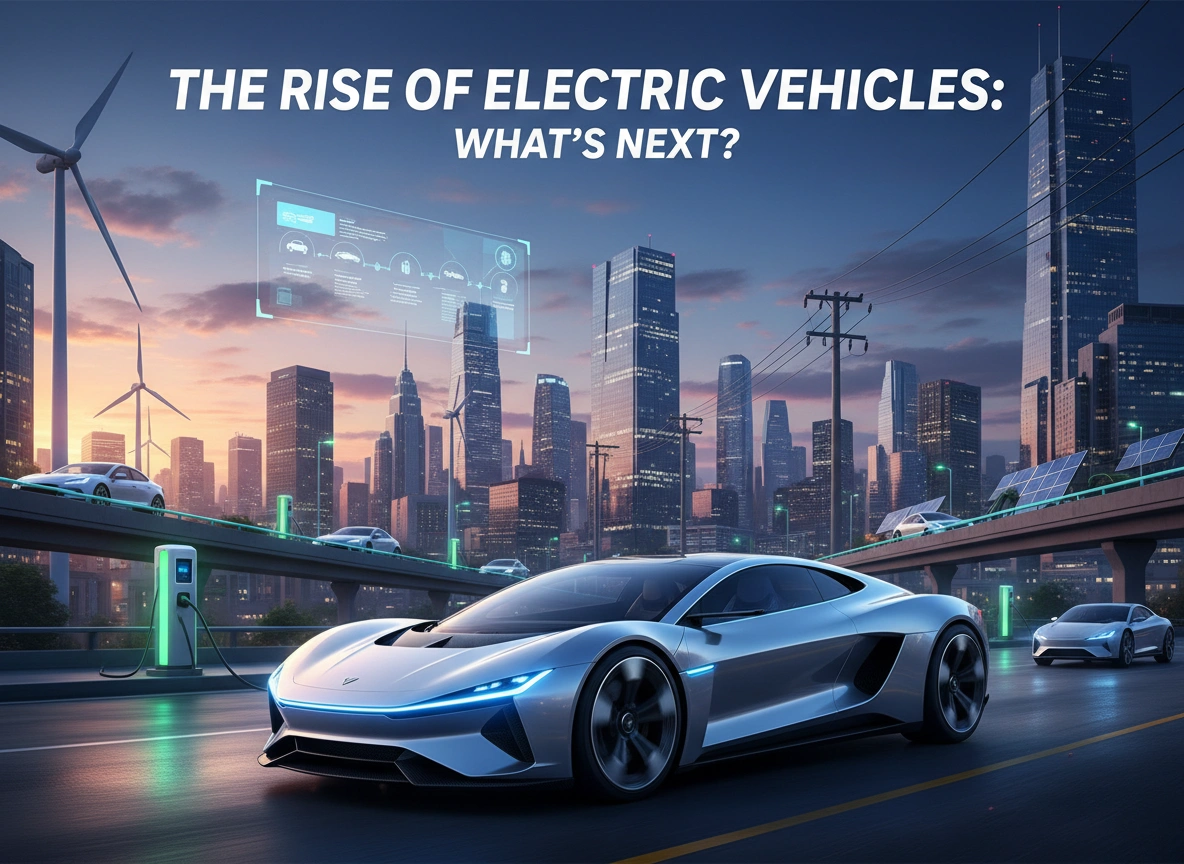
The hum of an internal combustion engine, a sound that has defined personal transportation for over a century, is steadily being replaced by the quiet whir of electric motors. Electric vehicles (EVs) have transitioned from a niche curiosity to a mainstream force, fundamentally reshaping the automotive industry, energy markets, and urban landscapes. This rapid ascent is not an overnight phenomenon but the result of decades of innovation, policy shifts, and changing consumer attitudes. As we stand at this pivotal moment, it’s crucial to understand the journey of EVs, assess the current landscape, and look ahead to what the future holds for this transformative technology.
The initial concept of electric-powered cars predates gasoline vehicles, with early models appearing in the 1830s. However, the mass production of the Ford Model T and the discovery of vast oil reserves relegated EVs to the footnotes of history for nearly a century. The modern resurgence began in earnest in the late 20th and early 21st centuries, driven by growing concerns over air pollution and dependence on foreign oil. The introduction of the Toyota Prius hybrid in 1997 and the launch of Tesla Motors in 2003 marked significant turning points, proving that electric-powered transportation could be both practical and desirable.
Today, the momentum is undeniable. Automakers worldwide are committing billions of dollars to electrify their fleets, and sales figures are climbing at an exponential rate. But what comes after this initial surge? The road ahead involves overcoming significant challenges, harnessing groundbreaking technological advancements, and navigating a complex web of policy, infrastructure, and consumer behavior.
The Current State of the EV Market
The global EV market is experiencing unprecedented growth. Major automotive giants, once hesitant, are now all-in on electrification. Companies like Volkswagen, General Motors, and Ford have announced ambitious plans to phase out internal combustion engines entirely within the next two decades. This industry-wide pivot has created a highly competitive environment, spurring innovation and driving down costs.
Consumer Adoption and Changing Perceptions
Consumer adoption is the primary engine of the EV revolution. Early adopters were often motivated by environmental concerns or a passion for new technology. Now, the appeal is broadening. Declining battery costs are making EVs more financially accessible, while improvements in range and performance are alleviating common anxieties. The total cost of ownership is another compelling factor; with lower fuel and maintenance costs, EVs can be more economical over their lifespan compared to their gasoline-powered counterparts.
Despite this progress, barriers remain. “Range anxiety”—the fear of running out of power before reaching a charging station—is still a significant concern for many potential buyers, even as average EV ranges now comfortably exceed 250 miles on a single charge. The initial purchase price, although falling, also remains a hurdle for a large segment of the market.
The Role of Government Policy
Government intervention has been a critical catalyst for the rise of EVs. Subsidies, tax credits, and rebates have helped offset the higher upfront cost, making them more attractive to consumers. On the regulatory side, stringent emissions standards and deadlines for phasing out gasoline car sales are forcing automakers to accelerate their transition.
Countries across Europe and Asia, as well as several U.S. states like California, have set aggressive targets. For instance, Norway has been a global leader, with EVs consistently making up over 80% of new car sales, thanks to substantial incentives and a robust charging infrastructure. These policies create a stable, predictable market that encourages long-term investment from both manufacturers and infrastructure providers.
Technological Advancements Powering the Future
Innovation is at the heart of the EV story. The technology underpinning these vehicles is evolving rapidly, promising a future where EVs are not just an alternative but a superior choice in every respect.
Battery Technology: The Holy Grail
The battery is the single most important and expensive component of an EV. Advances in lithium-ion battery technology have been remarkable, leading to increased energy density (more range in a smaller package) and lower costs. The next frontier is solid-state batteries. These batteries promise to be a game-changer, offering even greater energy density, faster charging times, and improved safety by eliminating the flammable liquid electrolyte found in current batteries. Several companies are racing to commercialize solid-state technology, with many predicting their arrival in consumer vehicles before the end of the decade.
Charging Infrastructure and Speed
A widespread and reliable charging network is essential for mass adoption. While the number of public charging stations is growing, significant expansion is still needed, particularly for high-speed DC fast chargers that can add hundreds of miles of range in under 30 minutes. Innovations in charging technology are also emerging, including wireless (inductive) charging pads that could allow EVs to charge simply by parking over them. Furthermore, integrating smart charging capabilities will be crucial. This allows vehicles to charge during off-peak hours when electricity is cheaper and demand on the grid is lower, helping to balance energy loads.
Software and Autonomous Driving
Modern vehicles are increasingly defined by their software, and EVs are at the forefront of this trend. Over-the-air (OTA) updates, popularized by Tesla, allow manufacturers to improve performance, add new features, and fix issues remotely without a trip to the dealership. This turns the car into an evolving product that gets better over time.
EV platforms are also ideally suited for autonomous driving technology. Their electric powertrains offer precise and instantaneous control, which is essential for the complex algorithms that govern self-driving systems. As autonomous capabilities advance from driver-assist features to full self-driving, EVs will likely be the first vehicles to achieve this milestone on a mass scale.
Overcoming the Challenges on the Road Ahead
The path to an all-electric future is not without obstacles. Addressing these challenges proactively will be key to ensuring a smooth and equitable transition.
Grid Capacity and Renewable Energy
A massive fleet of EVs will place significant new demands on the electrical grid. Managing this increased load will require substantial investment in grid modernization and expansion. Simply generating more power is not enough; the source of that power matters. To realize the full environmental benefits of EVs, the electricity used to charge them must come from renewable sources like solar, wind, and hydropower. The synergy between EVs and renewables is powerful. EVs can act as distributed energy storage, using vehicle-to-grid (V2G) technology to feed power back into the grid during peak demand, thereby stabilizing it and supporting the integration of intermittent renewable sources.
Supply Chains and Raw Materials
The production of EV batteries relies on key raw materials, including lithium, cobalt, and nickel. The mining and processing of these materials raise environmental and ethical concerns, including water usage, land disruption, and labor practices in some regions. Securing a stable and responsible supply chain is a major challenge for the industry. Efforts are underway to reduce reliance on problematic materials, such as developing cobalt-free batteries, and to build robust battery recycling programs to create a circular economy for these valuable resources.
Conclusion: The Electric Future is Now
The rise of electric vehicles is more than a trend; it is a fundamental shift in transportation. We have moved past the question of if EVs will dominate the market to when and how. The coming years will be defined by rapid technological leaps, particularly in battery and charging technology, which will make EVs more affordable, convenient, and capable.
The road ahead requires a concerted effort from all stakeholders. Automakers must continue to innovate and scale production. Governments must provide consistent policy support and invest in robust charging infrastructure. The energy sector must prepare for increased demand by expanding grid capacity and accelerating the transition to renewable sources. Finally, consumers will continue to drive this change as they discover the compelling benefits of electric mobility. What’s next for electric vehicles is not just an evolution of the car, but a reimagining of our relationship with energy and mobility for a cleaner, more sustainable future.
Please visit website for more info
