
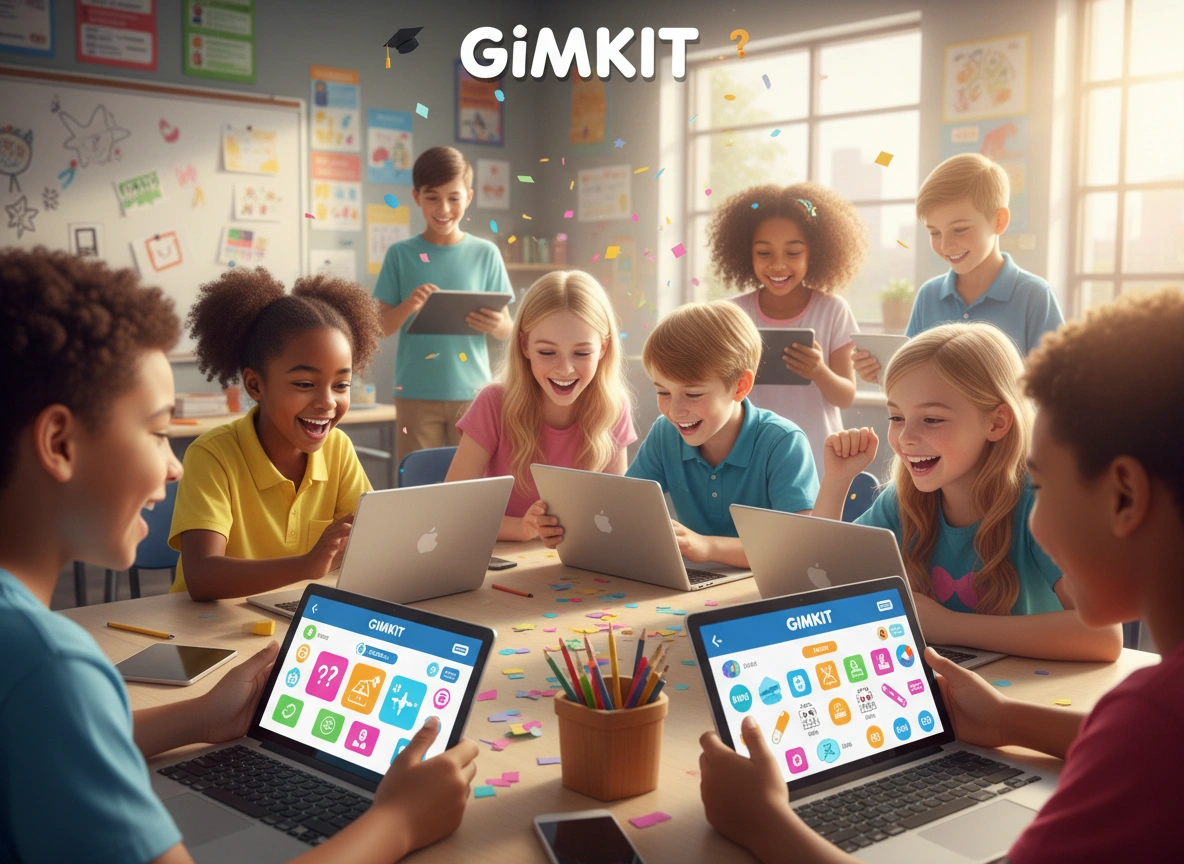
In the modern classroom, educators are constantly seeking innovative ways to capture students’ attention and make learning a more engaging experience. The challenge lies in finding tools that are not only educational but also genuinely enjoyable for a generation of digital natives. This is where Gimkit emerges as a powerful ally. It’s more than just a quiz tool; it’s a dynamic game-based learning platform designed to cultivate a genuine love for learning. By blending curriculum with gameplay, Gimkit transforms review sessions and assessments into exciting, competitive, and collaborative experiences.
This article provides an in-depth exploration of how you can leverage Gimkit to create a vibrant learning environment. We will cover practical strategies, activity examples, and the tangible benefits of integrating this tool into your teaching practice.
Understanding the Gimkit Difference
Before diving into the “how,” it’s important to understand “why” Gimkit stands out. Unlike traditional quiz platforms, Gimkit was created by a high school student who understood what makes learning feel like a game. The platform incorporates elements of strategy, chance, and economic decision-making that appeal directly to students.
At its core, students answer questions to earn in-game currency. They can then use this currency to purchase power-ups and upgrades, adding a strategic layer to the gameplay. This simple mechanic shifts the focus from merely getting the right answer to developing a strategy for success. Students who fall behind can use power-ups to catch up, and those in the lead must protect their position. This dynamic keeps every student engaged throughout the entire session, regardless of their current standing on the leaderboard.
Practical Strategies for Implementing Gimkit in Your Classroom
Successfully integrating any new technology requires thoughtful planning. Gimkit is incredibly versatile, but its effectiveness is maximized when aligned with clear learning objectives. Here are some practical strategies to get you started.
1. Start with Low-Stakes Review
Introduce Gimkit as a fun way to review material that has already been taught. This low-stakes approach allows students to familiarize themselves with the platform’s mechanics without the pressure of a formal grade. Use it at the end of a unit to prepare for a test or as a quick warm-up to refresh a previous lesson’s concepts. This builds positive associations with the tool and gets students excited for future games.
2. Differentiate Instruction with “KitCollab”
One of Gimkit’s standout features is KitCollab, which allows students to contribute questions to a game set. This is a fantastic tool for differentiation and student ownership. You can assign different groups of students to create questions based on their readiness levels. For example, one group might create foundational vocabulary questions, while another develops more complex, application-based problems.
By having students create the questions, you are encouraging them to think critically about the material from a different perspective. They must identify key concepts and formulate clear, concise questions, which is a powerful learning activity in itself. Once the kit is built, the entire class can play a game they collectively created, fostering a sense of community and shared accomplishment.
3. Emphasize Strategy Over Speed
While many game-based platforms reward speed, Gimkit’s economy encourages strategic thinking. Take time to discuss strategy with your students. Should they save their money for a big upgrade or spend it on smaller, immediate advantages? This conversation transforms the activity from a simple race to a lesson in resource management and long-term planning. You can even run a game where the goal isn’t to have the most money at the end, but to be the first to purchase a specific high-cost upgrade. This shifts the focus and encourages different types of strategic play.
4. Utilize Different Game Modes for Varied Objectives
Gimkit offers a variety of game modes that cater to different learning goals and classroom dynamics.
- Classic & Team Mode: These are excellent for straightforward competition, either individually or in groups. Team Mode is particularly effective for promoting collaboration, as students must communicate and work together to maximize their team’s earnings.
- The Floor is Lava: This mode adds a sense of urgency and suspense. The entire class works together to answer questions and reach a certain monetary goal before the “lava” rises. It’s a fantastic way to build a collaborative classroom culture where everyone is rooting for the team’s success.
- Humans vs. Zombies: This team-based mode creates a fun, competitive dynamic where “humans” try to earn money while “zombies” try to tag them by answering questions correctly. It encourages quick thinking and teamwork on both sides.
- Trust No One: Inspired by popular social deduction games, this mode is perfect for older students. Students work as a team of “crewmates” to complete tasks by answering questions, but “impostors” are among them, trying to sabotage the mission. This mode promotes critical thinking, communication, and deductive reasoning alongside content review.
By cycling through different game modes, you keep the experience fresh and align the activity with your specific lesson objective, whether it’s individual mastery, collaborative problem-solving, or critical thinking.
Inspiring Activities Beyond the Standard Quiz
Gimkit’s flexibility allows for creative applications that go far beyond multiple-choice review. Here are a few examples to spark your imagination:
- Vocabulary Building: Create a kit where the questions are definitions, and the answers are the vocabulary words. You can also reverse this, providing the word and asking for its definition. For foreign language classes, this is a perfect way to practice translation.
- Math Fact Fluency: Instead of flashcards, use Gimkit to practice multiplication tables, formulas, or order of operations. The fast-paced nature of the game makes rote memorization feel exciting.
- Historical Timeline Sequencing: Use KitCollab to have students create questions about key events, figures, and dates from a historical period. Then, play a game to reinforce the chronology and significance of those events.
- Literary Device Identification: Provide students with quotes from a novel or poem and have them identify the literary device being used (e.g., metaphor, simile, personification). This turns literary analysis into a competitive challenge.
- Pre-Assessment: Use Gimkit at the beginning of a unit to gauge prior knowledge. The data collected can help you tailor your instruction to meet students where they are. Frame it as a “fact-finding mission” to keep the atmosphere light and non-evaluative.
The Benefits of Fostering Learning Through Play
The integration of Gimkit into your teaching toolkit offers benefits that extend beyond simple content mastery. When students are having fun, they are more open to learning, more willing to take risks, and more likely to retain information.
- Increased Engagement: The most immediate benefit is a dramatic increase in student engagement. The combination of competition, strategy, and rewards keeps students focused and invested in the activity.
- Positive Learning Environment: Gimkit helps create a classroom atmosphere where it’s okay to make mistakes. In most game modes, an incorrect answer simply means a momentary loss of in-game cash, not a permanent mark on a record. Students can try again, learn from their errors, and continue playing, which builds resilience.
- Fosters Collaboration: Team-based modes encourage students to communicate, strategize, and support one another. These collaborative skills are essential for success both inside and outside the classroom.
- Student Ownership: Features like KitCollab give students a sense of ownership over their learning. When they are involved in creating the learning materials, they become more invested in the content itself.
By harnessing the power of play, Gimkit helps reframe learning not as a chore, but as an adventure. It empowers educators to create memorable, effective, and genuinely enjoyable educational experiences. When students ask, “Can we play Gimkit again?” you’ll know you’ve done more than just teach a lesson—you’ve helped foster a true love for learning.
